Senior Care & Accessibility Franchises

One of the Most Demographically Supported, Mission-Aligned Categories in Franchising

Senior care and accessibility franchises are built on one of the most durable demand fundamentals in the entire franchise landscape: an aging population with growing needs and a strong preference for support that allows them to remain in their own homes and communities. For the right executive buyer, this category offers recurring revenue, a meaningful mission, and a business model that suits experienced managers well.

Common Questions

What Executives Ask Before Exploring This Industry

What This Industry Actually Looks Like as a Franchise Investment

Senior care and accessibility franchises represent one of the most compelling long-term investment categories in franchising, driven by demographic fundamentals that no amount of economic uncertainty can reverse. The population of older Americans is large, growing, and increasingly in need of support services that allow them to age with dignity and independence.

What makes the best concepts in this category particularly attractive to corporate professionals is the ownership model. These are businesses designed to be led by managers, not delivered by owners. The owner builds a team, manages operations, develops referral relationships with healthcare systems and community organizations, and grows the territory. That structure maps directly to the leadership skills most of our candidates have spent 15 to 20 years developing.

The emotional dimension of this category is also worth acknowledging. Many candidates who explore senior care come in with a genuine sense of purpose about the work the business does. When that mission alignment is paired with strong unit economics and a scalable model, it often produces the kind of committed, long-term ownership that this category rewards.


HYBB = WEb Banners (horizontal) (1000 x 800 px)-Jun-02-2026-06-49-42-4585-PM

 Franchise Categories Within Senior Care & Accessibility 

A look at what's available and what each category actually involves as a business.

Aging in Place Services   

A range of services and modifications designed to help seniors remain safely and comfortably in their own homes as their needs evolve. May include home safety assessments, minor modifications, and coordination of support services. Growing category with strong alignment to the dominant preference among seniors and their families for independent living over institutional care. 

Home Healthcare 

Skilled and non-skilled healthcare services delivered in the home, including nursing, therapy, and personal care support. Regulated environment with licensing requirements that vary by state. Stronger clinical component than non-medical in-home care, with a higher average billing rate and a referral network that includes physicians and hospital discharge planners. 

In-Home Senior Care 

Non-medical personal care, companionship, and daily living assistance delivered in the senior's home. The largest sub-category in senior care franchising by brand count and market presence. Hourly billing model with recurring weekly schedules. Manage-the-manager ownership structure. Strong referral network opportunity with hospitals, physician practices, senior living communities, and social workers. One of the most consistently recommended categories for corporate professionals exploring manage-the-manager franchises. 

Mobility & Accessibility  

Products and installation services that improve home accessibility for seniors and individuals with mobility limitations. Includes stair lifts, grab bars, ramps, and related modifications. Product-plus-installation model with a defined customer need and a referral network through occupational therapists, home health agencies, and physicians. 

Senior Placement Services 

Advisory and placement services that help seniors and their families identify and transition to appropriate senior living communities, including independent living, assisted living, and memory care facilities. Referral fee model paid by the communities rather than the families, creating a no-cost service to the end client. Relationship-driven business with a referral network among healthcare providers, hospital social workers, and elder law attorneys. 

Did you know there are 3 different Franchise Ownership Models?

With Over 4,000 franchise opportunities in the US Market, the real question is… “How do you go from 4,000 opportunities to the “1 Right Franchise” that will allow you to Finally Live Life On Your Own Terms?

The Insiders in our Community have Answered That Question for THOUSANDS of People Just Like You, For Over 20 Years… in All Kinds of Economic Cycles.

3 Models Of Franchise Ownership

Which Ownership Model Works in This Industry?

HYBB = WEb Banners (horizontal) (1000 x 800 px) (1)-Jun-02-2026-06-49-42-4529-PM
Owner Operator

Less common in this category than in most others, and generally not the target model for executive-level buyers. Some owners choose to be closely involved in the early stages of building caregiver relationships and establishing quality standards, which is practical and often beneficial. But the business is designed to be operated through a team, and candidates who approach it with a manage-the-manager mindset from the outset tend to build more scalable, sustainable operations. 

HYBB = WEb Banners (horizontal) (1000 x 800 px) (2)-Jun-02-2026-06-49-42-4280-PM
Manage The Manager

The defining ownership model for this category and one of the clearest examples of it in the entire franchise landscape. In-home care and senior placement businesses are specifically structured so that the owner manages care coordinators, recruits caregivers, and builds referral relationships while the service is delivered by the team. For an executive who wants to apply their management and leadership skills to building a business without performing the service themselves, this is one of the best structural fits in franchising. 

HYBB = WEb Banners (horizontal) (1000 x 800 px) (3)-Jun-02-2026-06-49-42-4280-PM
Investor / Multi-Unit

A well-established growth path in senior care, particularly in in-home care where territory expansion and additional care coordinators create a clear scaling model. Multi-territory ownership allows for shared administrative overhead and a larger referral network footprint. Candidates with sufficient capital and strong management infrastructure can enter with multiple territories, though a single strong territory is typically the right starting point for candidates new to the category. 

What Corporate Professionals Need To Know

What We Tell Every Candidate Before They Look at a Single Brand in This Category

Senior Care & Accessibility

1. Caregiver recruitment and retention is your most critical operational challenge. The quality of the care your business delivers is entirely dependent on the quality, consistency, and availability of your caregivers. Finding qualified caregivers, onboarding them well, scheduling them effectively, and retaining them in a competitive labor market is the operational challenge that separates strong performers from struggling ones in this category. Franchise systems with robust caregiver recruitment tools, training programs, and retention support give their owners a meaningful advantage. This is one of the most important questions to explore during validation.

2. Referral relationships are the primary growth engine. Senior care businesses grow through professional referrals far more than through consumer marketing. Hospital discharge planners, physician offices, senior living community staff, elder law attorneys, and social workers are all sources of consistent referrals once relationships are established. Building those relationships deliberately, maintaining them consistently, and being known in your professional community as a reliable, high-quality provider is the most important business development activity an owner in this category can engage in.

3. State licensing requirements vary and need to be understood early. Home healthcare and in-home care licensing requirements are state-specific and can affect your timeline to open and your ongoing compliance obligations. Some states have relatively straightforward licensing processes. Others are more complex and require specific certifications, staffing ratios, or operational standards before you can begin serving clients. Understanding the regulatory environment in your market before you commit to any brand prevents surprises late in the process, and your franchisor will have experience navigating this in your state.

4. The mission alignment is real — and it matters operationally. Owners who genuinely care about the quality of care their business delivers tend to attract better caregivers, retain clients longer, and build stronger referral relationships. That is not just an emotional observation — it is an operational advantage. Caregivers want to work for owners who take the mission seriously. Families choose providers whose ownership they trust to prioritize their loved one's well-being. Mission alignment in this category is both personally meaningful and strategically important.

5. This category rewards patience and long-term thinking. Senior care businesses are not built overnight. The referral relationships that drive growth take time to develop. The caregiver team that delivers consistent quality takes time to recruit and retain. The client base that generates recurring revenue takes time to build. Candidates who enter this category with a 3 to 5 year perspective on building a genuinely valuable business consistently outperform those who expect significant revenue in the first few months. The fundamentals support a strong outcome. Getting there requires the right expectations and the capital to support the ramp-up period. 

Meet The Franchise Insiders
Ray
& Terry

Since 1994 we have coached, guided and mentored thousands of people who want to understand, explore and investigate franchise ownership.

By the way… Our services are always free!.

HYBB = WEb Banners (horizontal) (1)

Case Studies

Real professionals. Real decisions. Real outcomes.

From “Too Many Options” to Confident Ownership ... Without Pressure

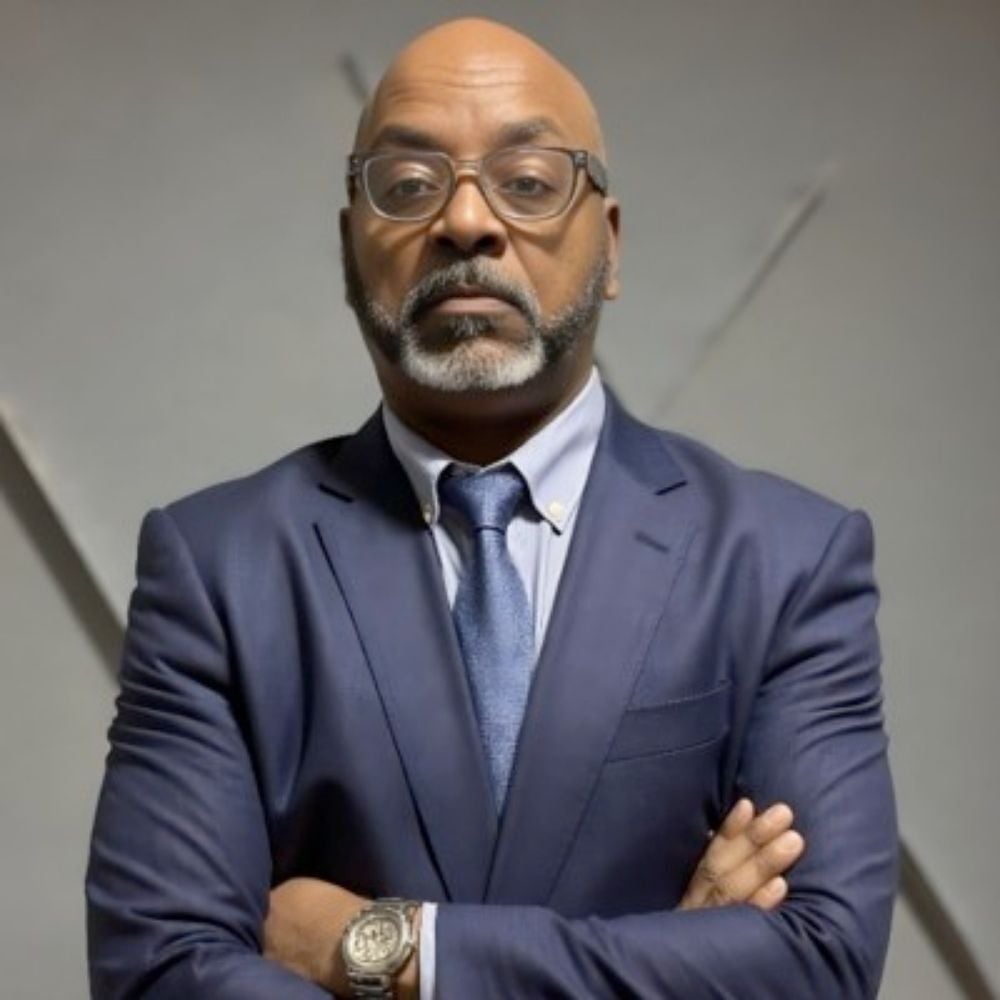
“I never felt like Terry was trying to sell me anything. I always felt like he was on my side ... and that made all the difference.” - Daniel Atkins

From “Pipe Dream Franchises” to a Proven, Family-Aligned Ownership Model

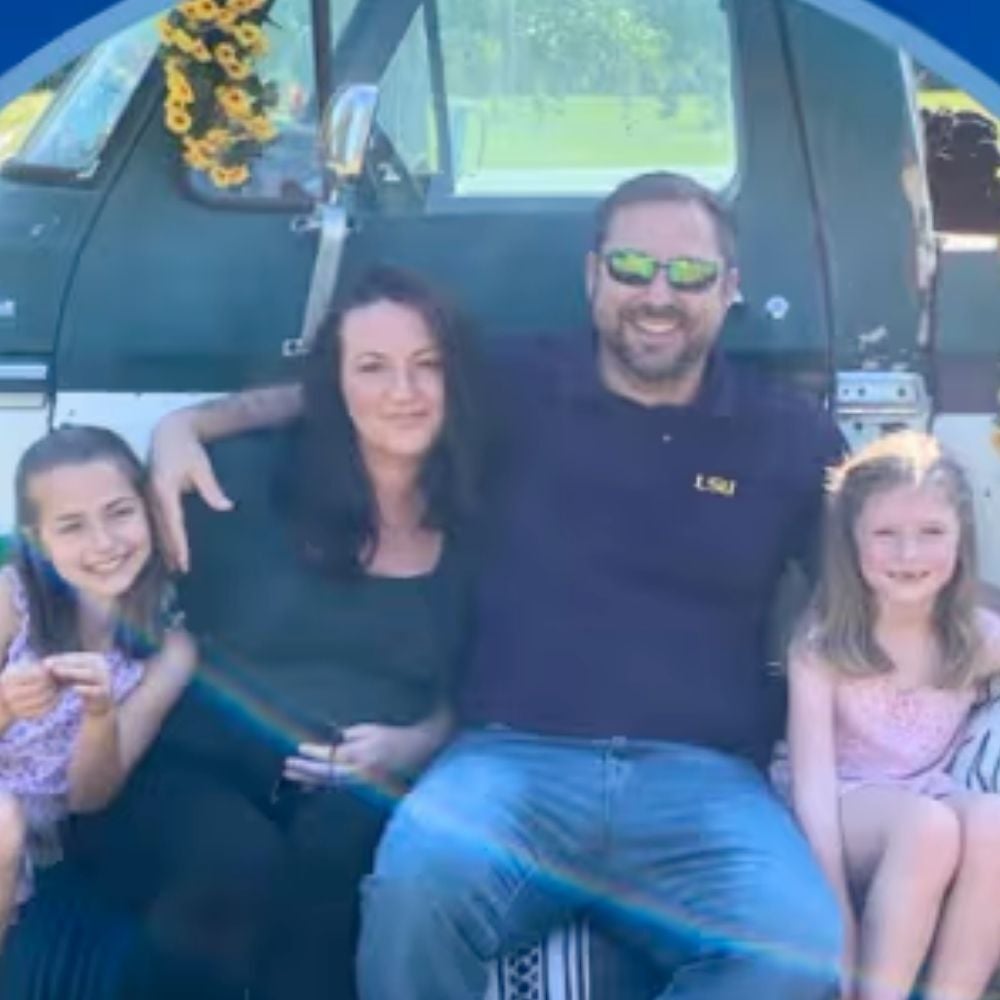
"Ray told me the tough truth ... and it saved us from the wrong franchise." - Grant & Mary Broussard

Chuck Holmes
From Corporate Tech Leader to Cybersecurity Franchise Owner

"For the first time in a long time, I feel like I'm building something for myself." - Chuck Holmes
From Corporate Executive Transition to Scalable Franchise Ownership

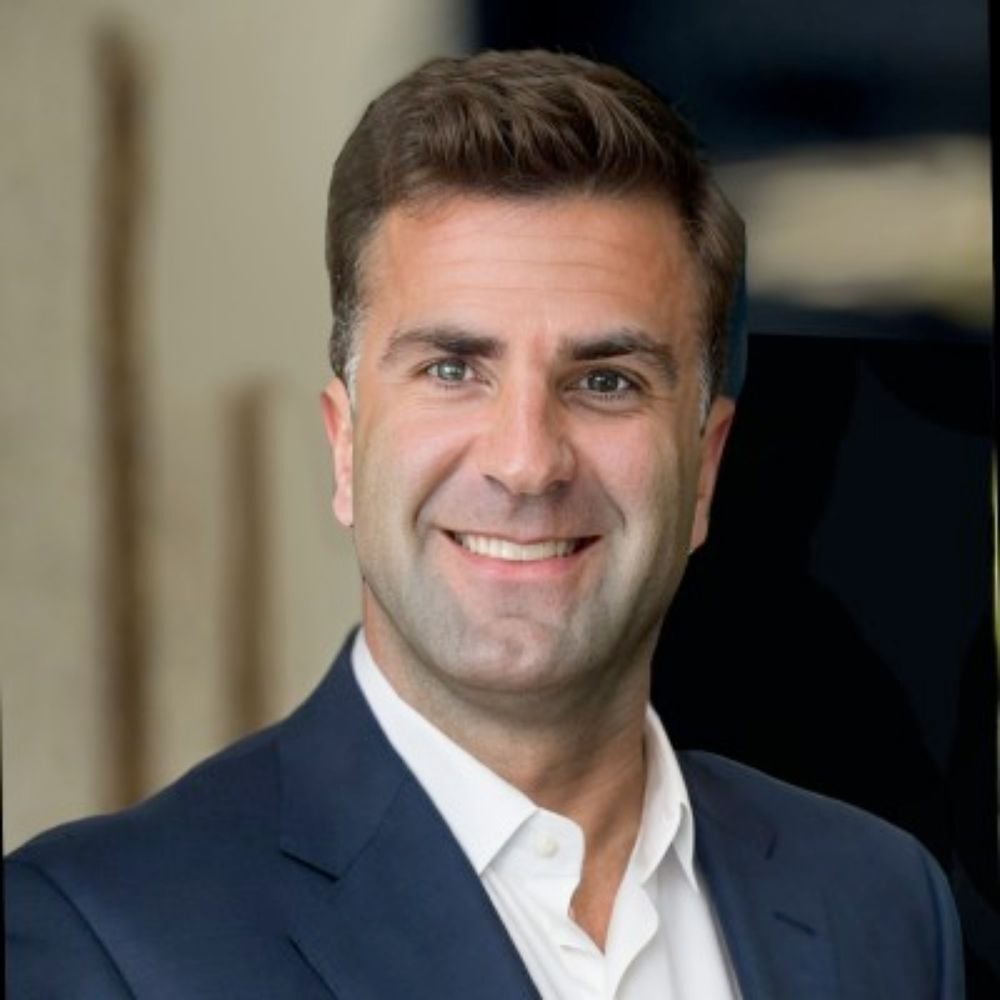
"My ultimate goal was to figure out how we take ourselves to a different level financially." - Bryan Crosby
From Career Uncertainty to Purpose-Driven Franchise Ownership

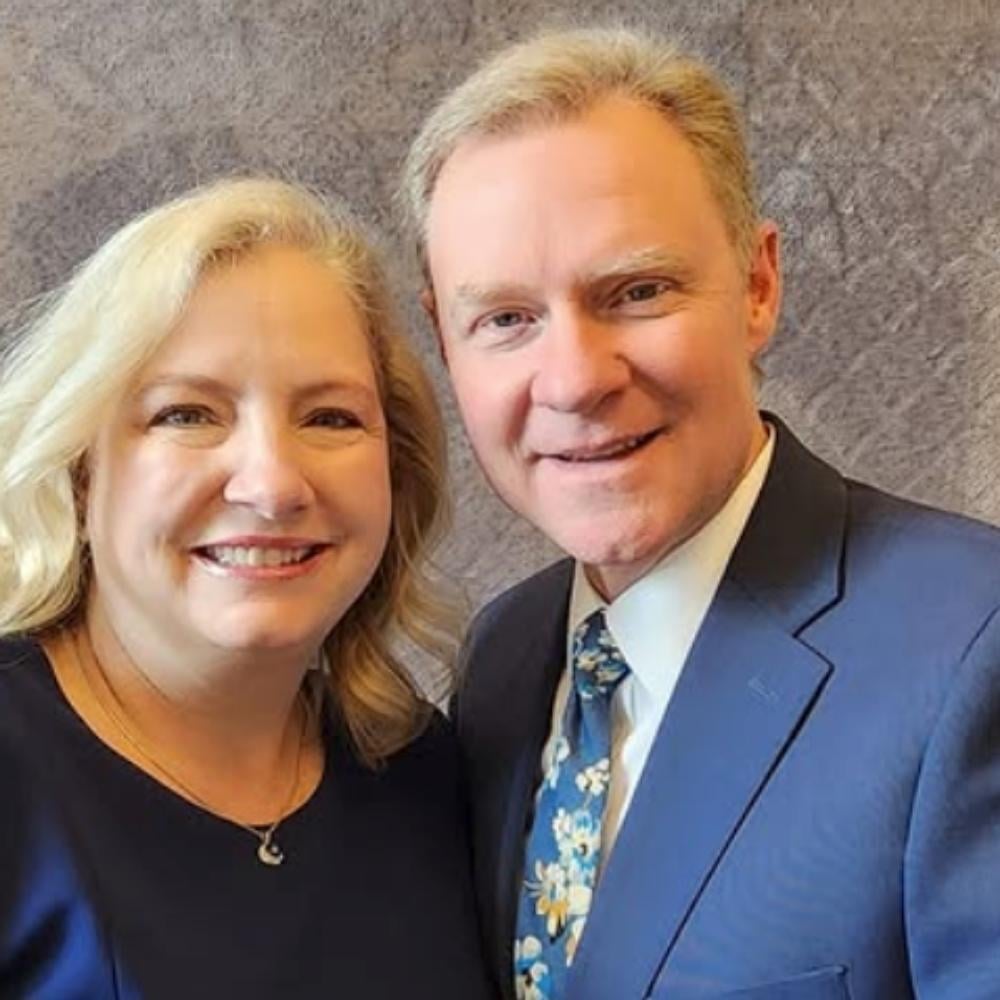
"This wasn't just about buying a business ... it was about choosing a future we could build together." - Brent & Leslie Hadley
From “Not Interested” to Owning 5 Territories in Raleigh-Durham

"We always felt like Ray wanted the best outcome for our family and future." - Tyler & Ginna Van Zandt
She Explored Franchise Ownership … and Decided Not to Buy

"The process really works, and the goal isn't to push you into buying a franchise...it's to help you make a thoughtful, informed decision." - Karen Moore

What Our Candidates Have To Say ...

Over 70 verified testimonials ... and those are just the ones we collected. Across every background, every outcome, and every stage of life ... the same three things keep showing up. No pressure. Felt guided. Made the right decision.

Mark-Mazur-headshot
The most important thing anyone can do who is going through this process of discovery, of resetting their life, of trying to start their own business, is to work with Terry Coker. I absolutely recommend Terry Coker.
Mark Mazur

Anita Ortega
Ray is the ultimate professional. He’s personable with a wealth of experience and knowledge in the franchise industry. He identifies franchises that fit the lifestyle and needs of his clients. As a new franchisee, he “held my hand throughout the entire process.’ He demonstrated his sincerity, attentiveness and always provided an array of solutions to any problem. If you are in search of a franchise, consider Ray Fanning.
Anita Ortega

Joel Ungar
When I realized it was time for an encore career, I called Terry. Best call I could have made. Terry took the time to interview me and ask me incredibly thoughtful questions about what I was looking for. When he presented a business idea to me, it just felt right from the start.
Joel Ungar

Cory Smith
After owning businesses in the past, and then returning to corporate America during an economic slowdown, I knew when the market was stable I would want to own a business again. My wife and I looked at several options and when we came to franchising and connected with Ray we knew we not only made the right choice, but we made a life-long friend as well.
Cory Smith
Lisa Mininni
I’ve referred people/clients to Terry who are thinking of starting a franchise business. Terry has demonstrated a high degree of professionalism and displays an incredible sense of follow up.
Lisa Mininni

Gwen Bauer
Thanks to Ray, Derrick and I found a direct mail franchise to invest in, UMS for Central Chicago. Ray was dedicated to helping us choose a business that fit our lifestyle, budget, and our skill sets. I would recommend Ray, he has a wealth of knowledge and experience to share with interested entrepreneurs.
Gwen Bauer

One Conversation Could Change Your Next Decade

Apply for a complimentary Corporate Exit Audit and get an honest, personalized assessment of whether business ownership fits your goals, your finances and your life.